Generative design methods are increasingly popular and are being used by architects, engineers, and designers. They have become an emerging field that civil engineers and architects need to learn in order to keep up with the evolving needs of the industry. Furthermore, these methods are being adopted by the construction sector because they help reduce costs and waste during construction.
The evolution of this technology requires civil engineers and architects to learn how to use algorithms. Many believe that learning algorithms is unnecessary, since existing software solutions on the market are user-friendly and relatively easy to use. However, another group believes that these methods require engineers and architects to understand algorithms and the technology behind their operation.

What Is a Generative Design Method?
Algorithmic design harnesses the power of computation to explore a greater diversity of concepts around a particular design goal during the development process. The background knowledge, intuition, and critical judgment of the designer remain essential, but they are focused on different stages of the design workflow. These stages include:
- Developing the basic abstraction of the problem
- Designing algorithms for form generation and constraints
- Selecting promising avenues of exploration
- Refining problem parameters
These activities require the same creativity, intuition, and judgment normally associated with innovative design practice. However, generating algorithms and writing code also demand logical thinking and software skills that may not yet be familiar to many designers.
The generative design approach is an iterative process that starts with a predetermined set of parameters and gradually modifies inputs until a desired output is reached. It relies on algorithms and mathematical formulas to generate new design solutions. In architecture and civil engineering, this process is used to create building designs based on computational logic.
Applications of Generative Design
Generative design can rapidly and consistently generate architectural designs for large-scale projects. For example, algorithms can automatically draft building plans based on pre-programmed inputs such as previously designed structures. These inputs may include:
- Structural integrity of foundations
- Performance of columns and beams
- Material costs
- Potential damage from natural disasters
By automating these calculations, civil engineers and architects can save both time and money during the design process.
Generative design methods are also applied in urban planning. Algorithms can be used to calculate optimal tree placement to maximize shade for building foundations or to determine the best locations for solar panels and wind turbines to optimize energy production. This computational approach enables architects and engineers to design sustainable buildings more efficiently and cost-effectively.
Buildings created using generative design methods often demonstrate improved efficiency. For instance, an algorithm may generate a building plan based on structural calculations or environmental factors such as wind speed, pollution, or noise levels. The built environment can significantly benefit from this technology.
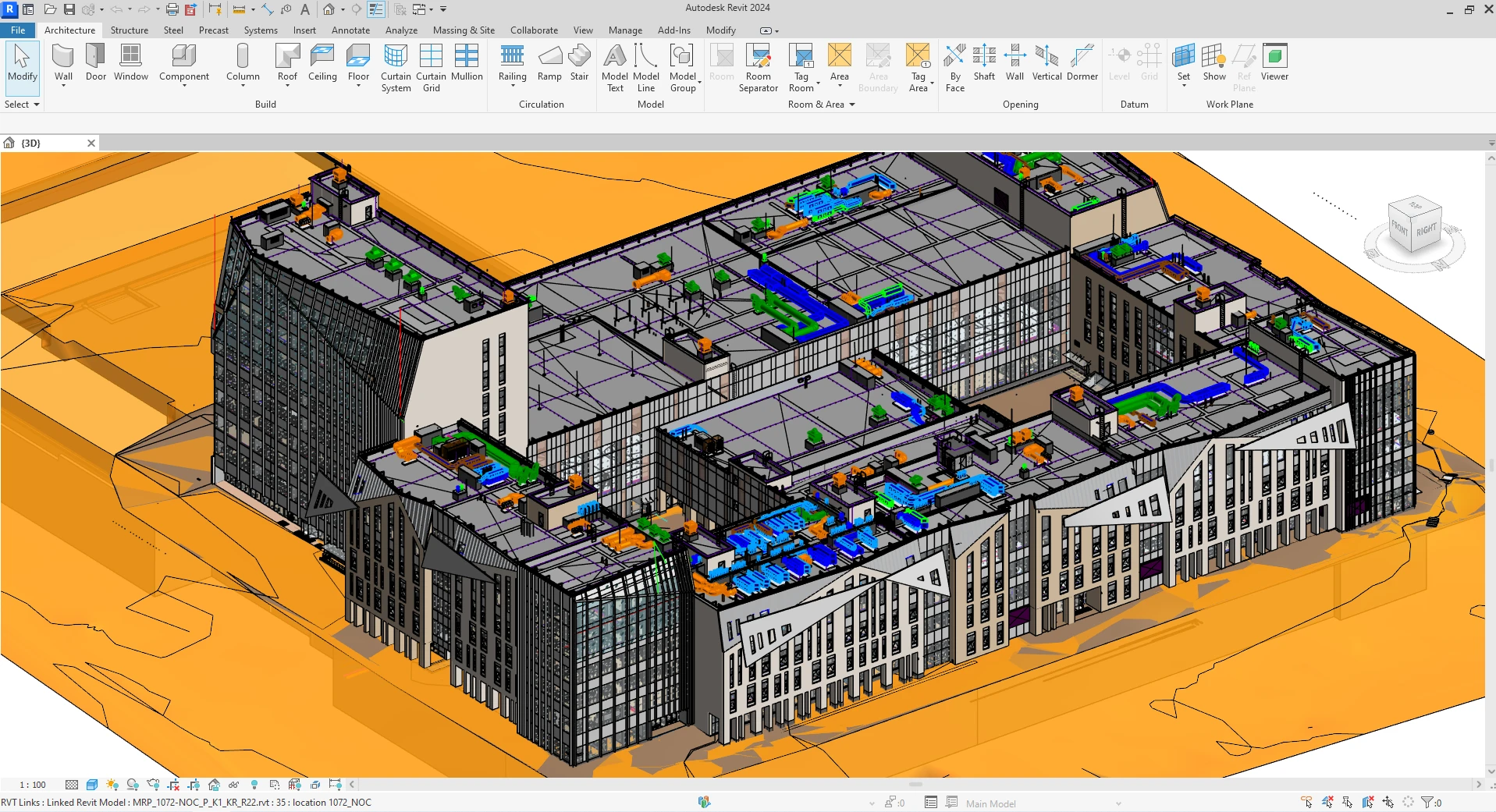
Today, there are pre-developed plugins and software solutions tailored to specific design scenarios. These tools allow specialists to apply generative design without deeply understanding the internal logic of the algorithms. An example is the generative design module proposed by Autodesk in Revit, which does not require civil engineers or architects to immerse themselves in scripting or algorithm development.
.webp)
What are the disadvantages of using a generative design method?
On the other hand, generating building designs with the generative design method can be time consuming. This is because an algorithm must first analyze pre-existing buildings before generating a new plan for construction purposes. Therefore, an algorithm must first collect data about existing structures before creating a new design plan for them. In addition, data collection may be time-consuming and cost-prohibitive if it requires gathering information from government sources. Additionally, using generative design methods may limit creativity and inhibit designers from providing new ideas for future projects. Because generative design methods automate pre-existing ideas, designers may feel limited by the pre-conceived solutions provided by generative design methods. If a designer does not provide input for an algorithm's calculations, pre-existing buildings may not change much over time. Which limits creativity in building designs and makes them look very similar over time because there is little room for improvement under these methods.
Conclusion
Despite limitations, algorithms can help architects and civil engineers solve problems in building construction that would otherwise be impossible with manual calculations alone. Algorithms can help architects create sustainable buildings with fewer resources than traditional approaches to green architecture allow while generating sustainable building plans quickly and consistently. While they require more time, designers training and money up front, generative design methods ultimately pay for themselves in terms of efficiency and reduced waste as well as increased creativity in building designs overall. Moreover, sometimes the absence of solutions for specific scenario cases led the designers to search for developing their own solutions. Most of the time companies tend to hire full-time or outsourced developers depending on their budget and workload. This is related to the lack of knowledge and low performance skills of the engineers and architects.