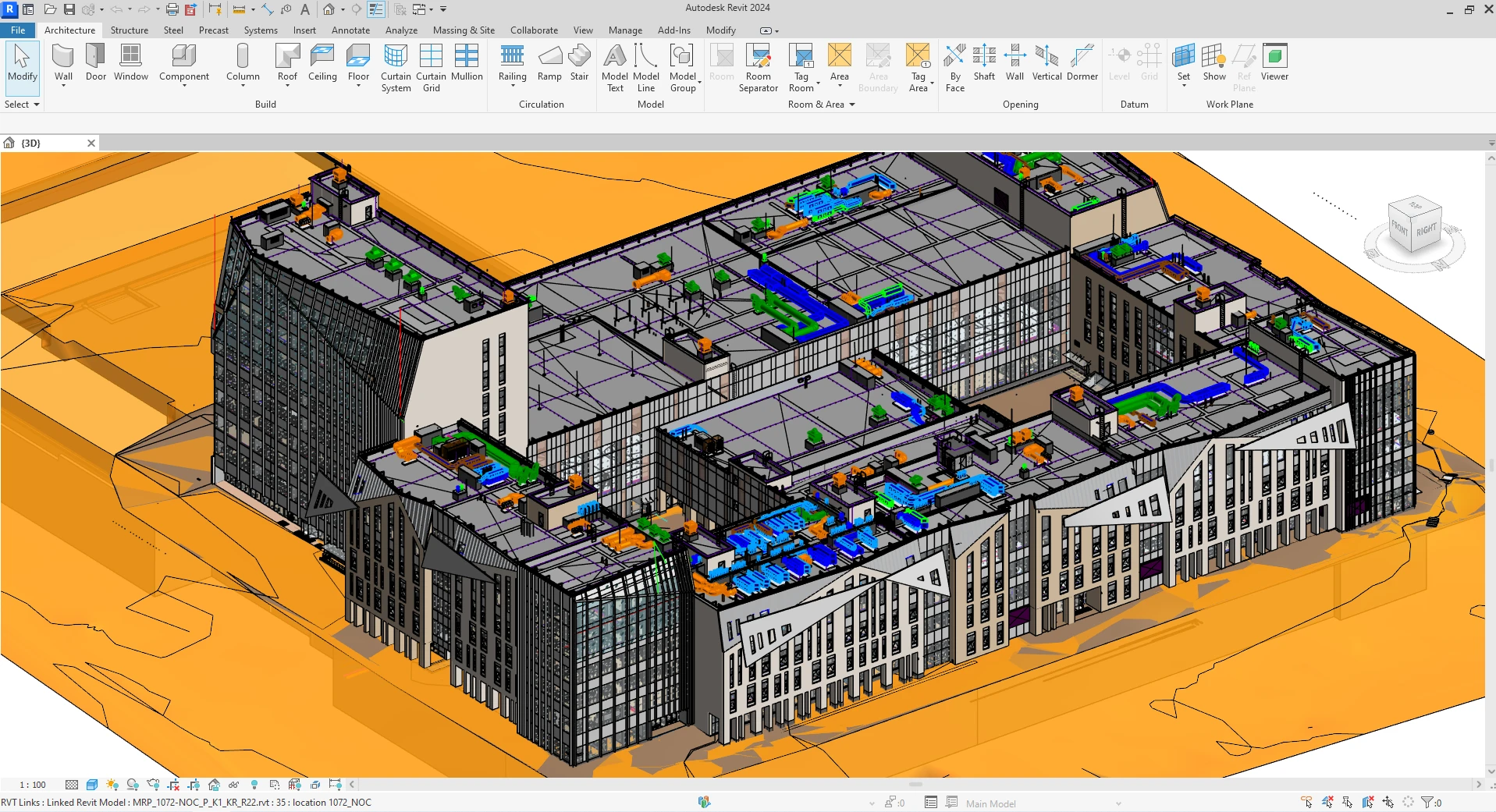
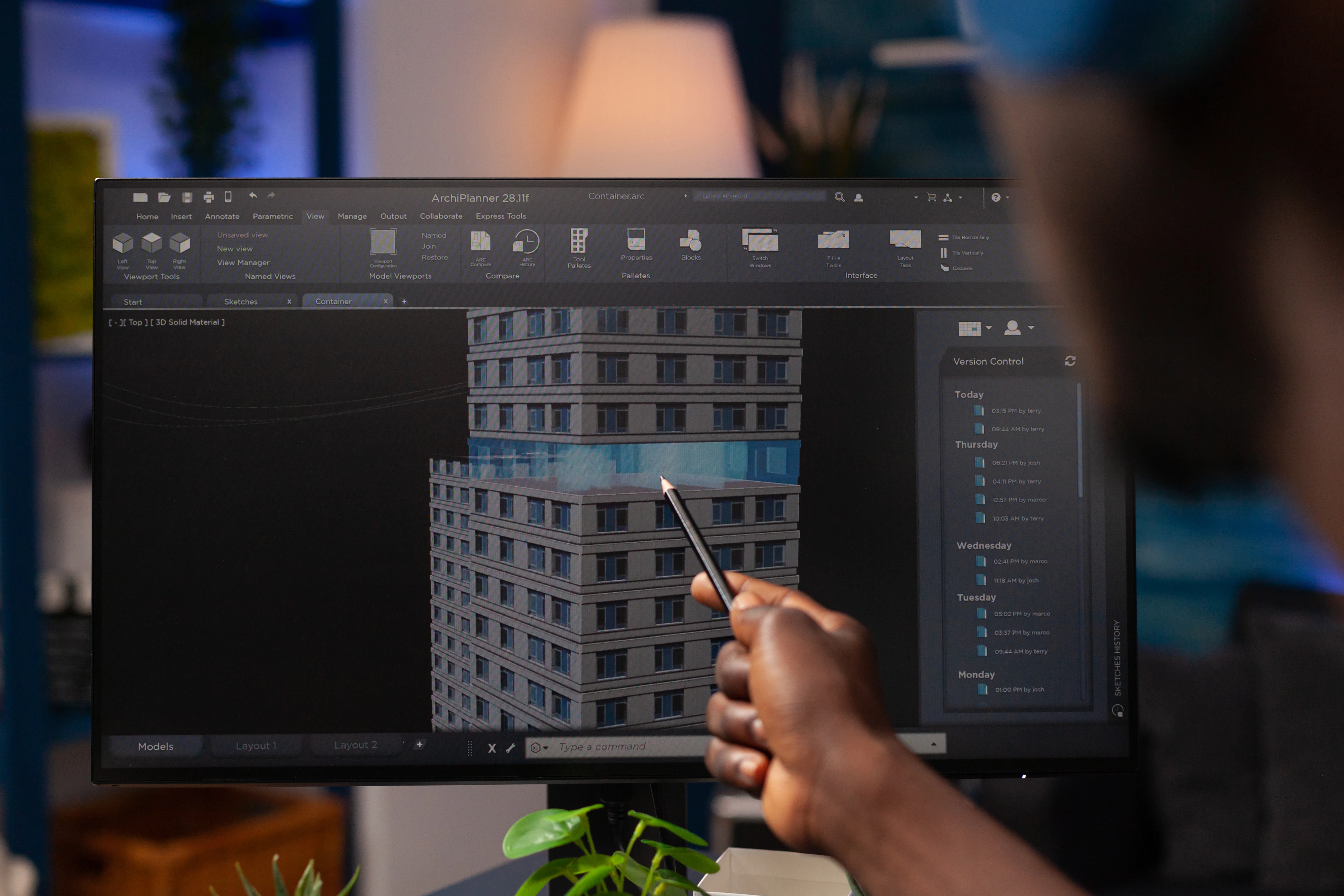
BIM is a technology process for constructing, documenting, maintaining, and managing building projects. It uses three-dimensional models to produce drawings, plans, models, animations and visualizations. The result is a more efficient way of producing high-quality construction services. BIM provides a digital record of every part of a project allowing clients to easily troubleshoot and modify designs as necessary.
Whereas Augmented reality or (AR) is a powerful tool to use in this BIM process. It is a new technology that can be used to provide visualizations of the building and its surroundings. The use of augmented reality in the field of construction is a relatively new concept, however, it has already found many applications.
What is Augmented Reality in BIM?
It can be used in any step of the BIM process such as planning, design and construction or even the operation stage. It is a technology that enhances real-world data with computer-generated information to create useful realistic interaction with the model.
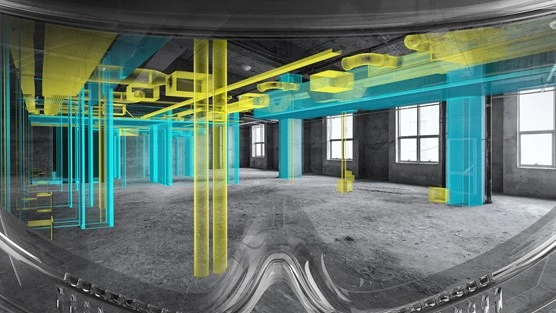
Augmented reality can be best described as a live direct or indirect view of a physical, real-world environment whose elements are augmented by computer generated sensory input such as video, graphics or GPS data. This input can be made part of the display so that those who are viewing it perceive an enhanced version of what would exist in their natural environment with additional conjugated attributes.
It allows to show to people how a building would look before it is built. These real-time 3D models will help architects and builders create more sophisticated designs and layouts. Briefly, AR is a process of creating virtual models and adding them to the real world.
Applications of AR in Construction
Augmented reality has many fields of application starting from architecture, MEP, structural design, engineering and going all the way up til manufacturing etc. It can be used for designing a wide range of construction types.
Key Application Areas
- Architecture - Visualizing building designs in real-world context
- MEP Systems - Viewing mechanical, electrical, and plumbing layouts on-site
- Structural Design - Examining structural elements in 3D space
- Engineering - Analyzing engineering solutions in real-time
- Manufacturing - Coordinating prefabrication and assembly processes
Key Advantages of AR in BIM
The application of this technology comes with significant advantages:
1. Better Understanding of Projects
It develops a better understanding of how a project will look like. It also provides richer data for designers to work with.
2. Improved On-Site Efficiency
For construction workers to see what tools are available and where they're located on site before undertaking a job. This gives both workers and managers much better control over construction sites and reduces time-wasting.
Simply, it improves the in-site experience by allowing workers to view an enhanced and richer version of the real-world objects through a mobile phone or tablet screen.
3. Enhanced Design Capabilities
It provides the option to add real-time 3D models to 2D drawings and blueprints. For interior designers, for example, it allows them to add realistic details to their building models such as:
- Windows and doors
- Windowsills
- Cabinets
- Light fixtures
- Other architectural elements
All these features of the AR make the construction projects much easier to conceptualize and deliver on time.
4. Better Client Communication
AR is an excellent way to improve the quality of feedback and demonstration of projects to clients. Furthermore, AR saves time, reduces errors and waste, and improves communication between stakeholders and clients.
5. Additional Benefits
Many other advantages are worth mentioning including:
- ✅ Increasing productivity and efficiency
- ✅ Better project management
- ✅ Faster decision-making
- ✅ Reduced errors and waste
- ✅ Enhanced collaboration between teams
Beyond Construction: Education and Training
The augmented reality practices in building information modeling have multiple advantages. Beyond the BIM application, Augmented reality could also be used in education and entertainment settings.
It can be an excellent teaching instrument for students that allows them to comprehend the studied materials and reduces their misunderstanding. In other terms, it improves communication efficiency.
Accessibility and Ease of Use
Anyone can use the features of augmented reality when creating or looking at BIM models! The usage and interaction ability with this technology is relatively effortless.
Modern AR applications are designed to be user-friendly, requiring minimal training to get started. With just a smartphone or tablet, construction professionals can access powerful visualization tools that were once available only through expensive specialized equipment.
Conclusion
Augmented Reality is transforming the BIM process by bridging the gap between digital models and physical reality. From improved visualization and communication to enhanced efficiency and reduced errors, AR technology offers compelling advantages for construction professionals at every stage of a project. As the technology continues to evolve and become more accessible, its integration with BIM workflows will only deepen, making it an essential tool for modern construction practices.