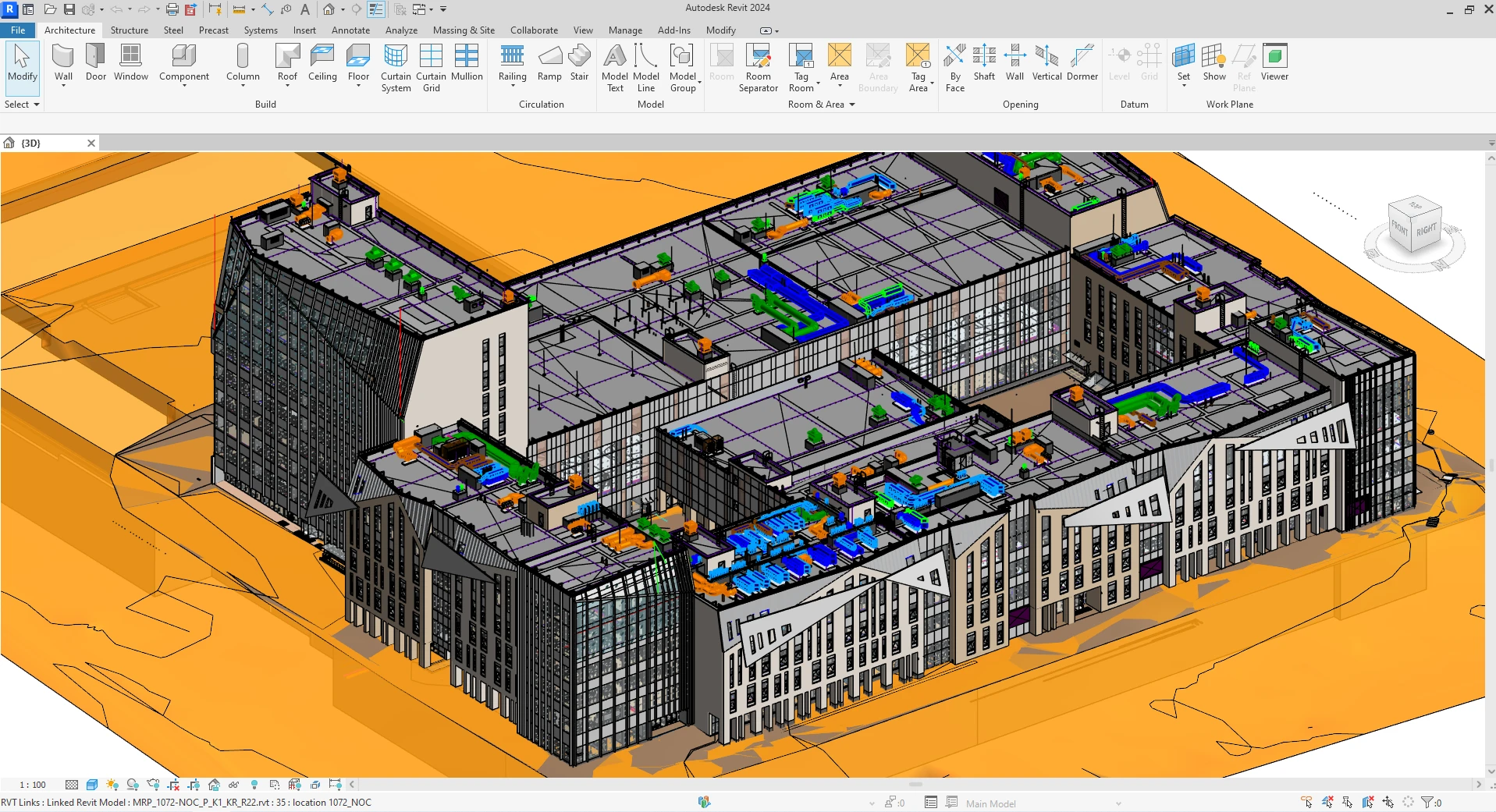
The BIM data environment, also known as the CDE (Common Data Environment), is a set of programs, documents, data, and templates that together help designers visualize, structure, analyze, and create building models quickly and reliably. You can use data to optimize your CDE environment by organizing programs, files, templates, and other resources for effective use.
This includes determining which files to access first when opening a project file or applying access filters for different members of the organization. You can also organize your projects by selecting folders and setting access modes for your colleagues, then adding subfolders as needed. Additionally, you can filter your projects by selecting folders for analyzing designs or creating models.
.webp)
Why CDE Has Become the Standard
Data integration and management technologies have become more common in today's business world. In this sense, the common data environment has become the norm for handling construction data in most organizations. This is due to the advantages that databases offer.
Key Advantages
- Structured databases: Organizations can easily create and maintain organized data structures
- File organization: Systematic arrangement of project files and resources
- Data security: Keeping sensitive construction data secure
- Communication tools: Extra functionalities that enable contributors to easily communicate and track tasks
- Efficiency: Organizations can perform complex data integration and management tasks with ease
What's Stored in a CDE?
The stored data generally consists of:
- BIM information models
- Project contracts
- Estimates and reports
- Material specifications
- Organization structure
- Involved parties' contact information
- Any relevant information related to the project design and construction process
.webp)
Essential Requirements for Effective CDE Integration
To effectively integrate platforms and manage data, it is essential to leverage available resources and employ a standardized data collection process. This essential step is compulsory for several reasons:
1. Data Quality and Integrity
First, it prevents unintentional or accidental errors from polluting your datasets. This ensures data reliability and consistency across the organization.
2. Comprehensive Information Capture
Second, it ensures that all relevant information is included in your database before you begin maintaining it. This completeness is crucial for effective project management.
3. Interoperability with Third-Party Systems
Last but not least, the minimal information requirement in the collecting process is the key factor for integration with other platforms. It allows critical information types and formats to be exported to third-party information systems.
Technical Requirements for CDE Integration
However, standardized data collection alone is not sufficient to apply CDE integration. The CDE solution must have:
- Open API: The CDE platform must provide an open API
- Compatible systems: The other system to be integrated must also support API connectivity
Example: Standardized Data Collection Process
When collecting new case files for your database, you must follow a standardized process that includes:
- Defining database goals: Establish clear objectives for your data environment
- Designing an information collection plan: Create a structured approach to data gathering
- Standardizing resources: Ensure consistency across staff members, contractors, municipal departments, etc.
Optimizing CDE Management
For effective management of your database files, collecting case files must be as efficient as possible. This allows you to:
- ✅ Spend more time working on your cases
- ✅ Spend less time logistically handling files
- ✅ Improve overall project efficiency
Conclusion
Integrating and managing data through a Common Data Environment has proven to be an effective way of achieving organizational goals. By implementing standardized processes, leveraging open APIs, and maintaining data quality, construction organizations can maximize the benefits of their CDE systems and improve collaboration across all project stakeholders.