There's a promise floating around our industry: buy the right software, send the team to a two-day course, and projects will practically coordinate themselves. Five clicks and the model is "done."
We build BIM automation tools for a living, plugins for Revit and Tekla, integrations, custom workflows. So believe us when we say: the software genuinely does everything the brochures promise. Clash detection works. Quantity take-offs work. The technology stopped being the bottleneck years ago.
And yet projects with spectacular 3D models still burn: collisions discovered on site, redesigns paid for twice, schedules that were fiction from day one. We've seen it repeatedly, especially on large public projects: hospitals, infrastructure, institutional buildings.
The difference between teams where BIM pays off and teams where it's an expensive decoration is not the software. It's three specific working habits. Here they are. Сoncrete enough to apply on your next project.
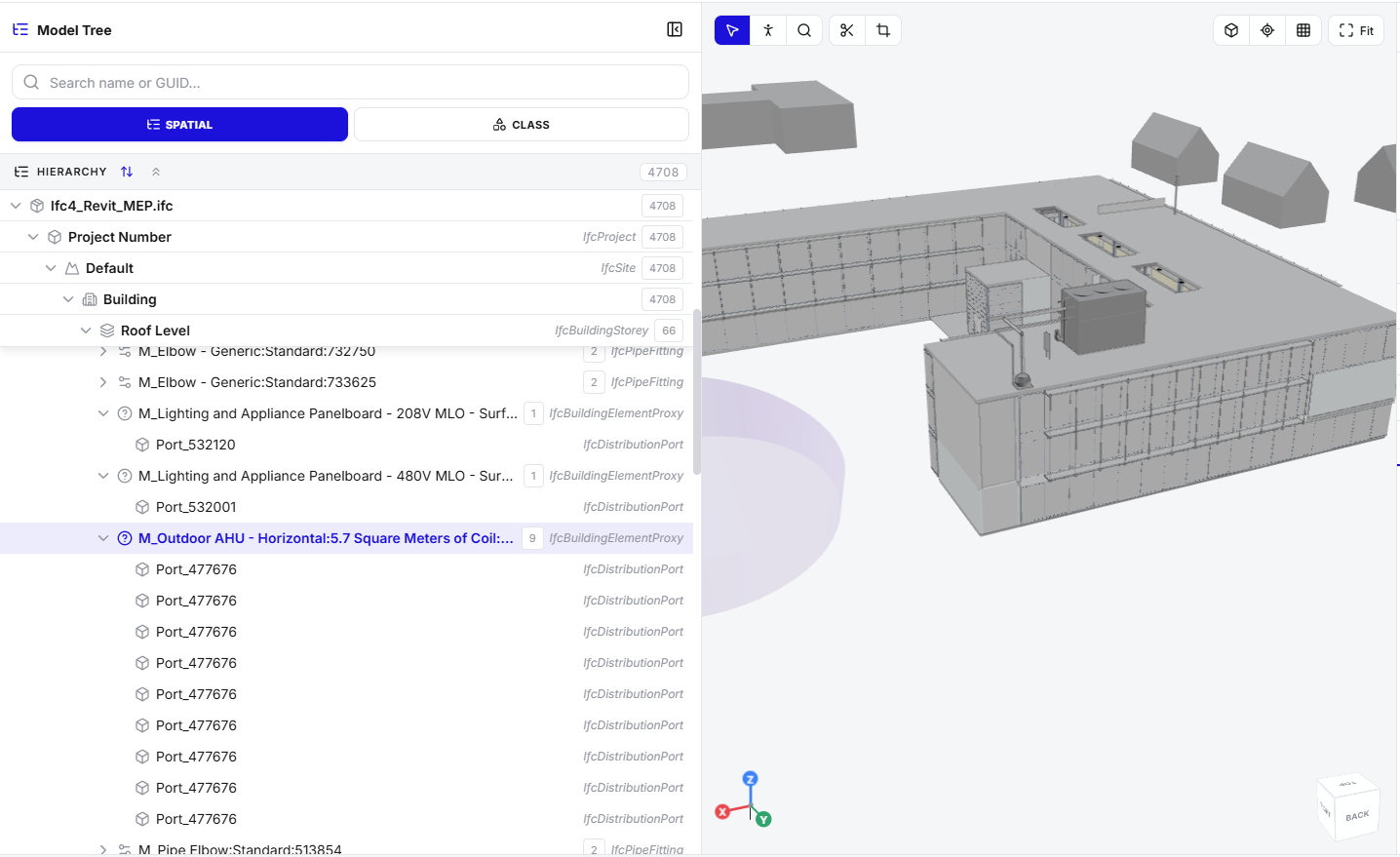
1. Structure the model before you ask it questions
A clash report with 4,000 collisions is not information, it's noise. And 90% of that noise comes from one source: a model that was never structured for analysis.
What structuring actually means in practice:
Agree on a hierarchy before modeling starts. Which discipline owns which elements, how assemblies are grouped, what the naming convention is. Thirty minutes of agreement at kickoff eliminates weeks of "whose pipe is this?" later.
Run clash detection in pairs, not all-against-all. Structure vs. HVAC ducts. Structure vs. main piping runs. Each pair with its own tolerance: a 5 mm overlap between insulation and a cable tray is not the same problem as a duct through a beam. All-against-all with default settings is how you get 4,000 "collisions" and zero decisions.
Filter by consequence, not by count. The question is never "how many clashes?" It's "which of these cost money to fix on site?" A useful weekly coordination report has 20–40 items with an owner and a deadline each. If yours has hundreds, you're reporting noise, not managing risk.
2. Move real hours – not intentions – to the early stage
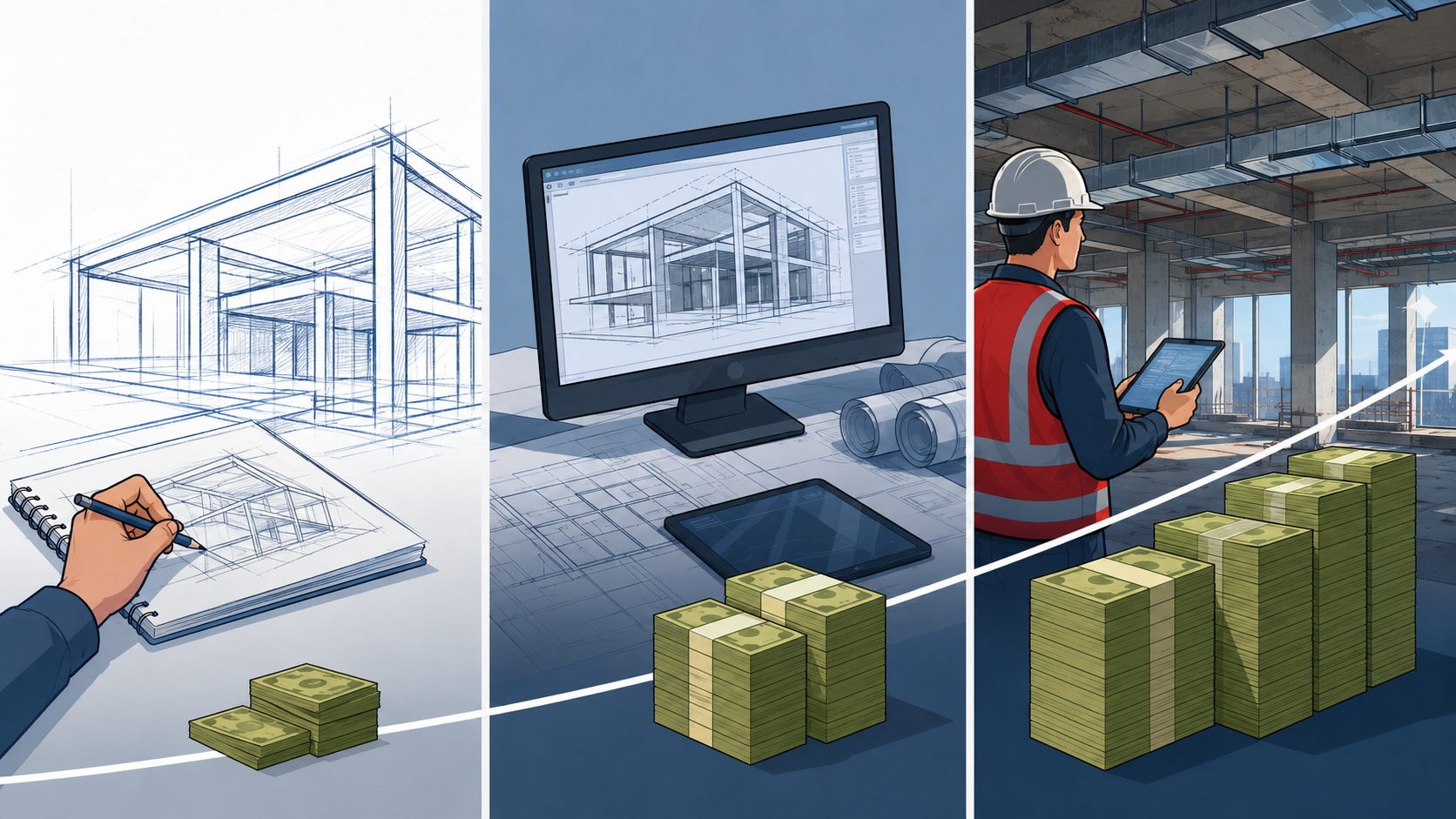
Everyone agrees "problems should be caught early." Almost nobody changes the budget to reflect it. The habit that separates working BIM from decorative BIM is measurable: senior engineering hours billed at concept and preliminary design, not just during documentation.
A practical rule of thumb: two extra weeks of concept-stage analysis by experienced people. The ones who can look at a ventilation strategy and say "this won't work", is consistently cheaper than one month of redesign during construction, and dramatically cheaper than change orders on site. If your fee structure makes early analysis impossible, that's not a software problem, and no license upgrade will fix it.
The test is simple: look at who touches the project in the first 15% of the schedule. If it's only juniors building geometry while the senior engineers arrive at the review stage, the expensive mistakes are already in the model.
3. Translate the benefit into the client's numbers
Here's why so many clients push back on BIM budgets: nobody shows them the arithmetic. "Better coordination" is not an argument. Numbers are.
Track three figures on every project and put them in front of the client:
- Rework hours avoided – clashes resolved in the model × average cost of fixing the same issue on site (industry data and your own history both work).
- RFIs during construction – compare against a similar pre-BIM project. Fewer RFIs is a number a mandante understands instantly.
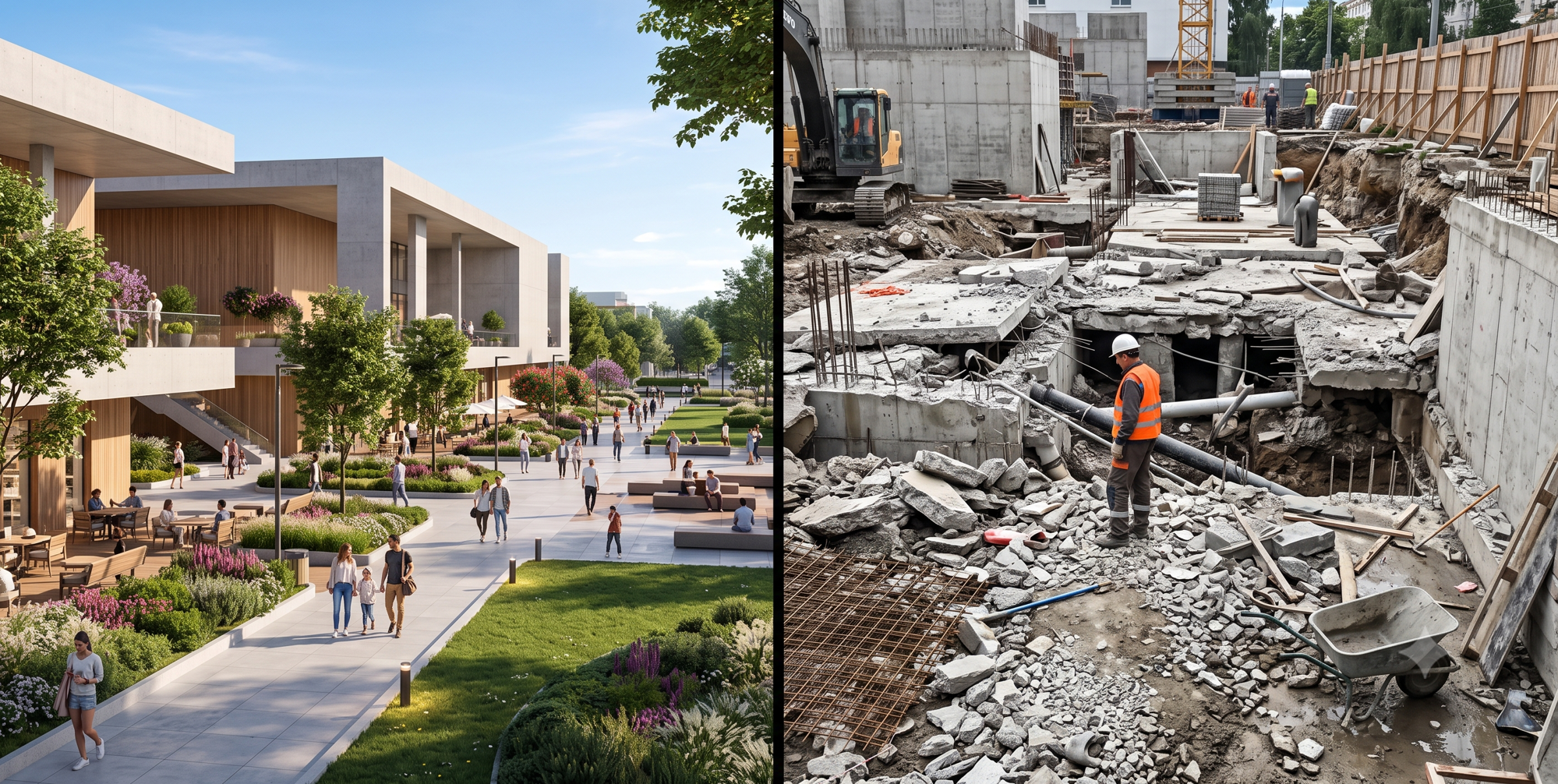
- Change orders caused by design errors – the figure that ends the discussion, because on public projects it's the difference between finishing the budget and explaining it. If you can't fill in these three numbers, the client is right to be skeptical — you're asking them to fund your tooling, not their savings.
The tool amplifies whatever you point it at
BIM is a hammer! Pointed at a structured model, a properly budgeted early phase, and a clear economic argument, it multiplies the value of engineering judgment. Pointed at nothing, it multiplies nothing, in beautiful 3D.
The technology is ready. These three habits are what "switching it on" actually looks like.